


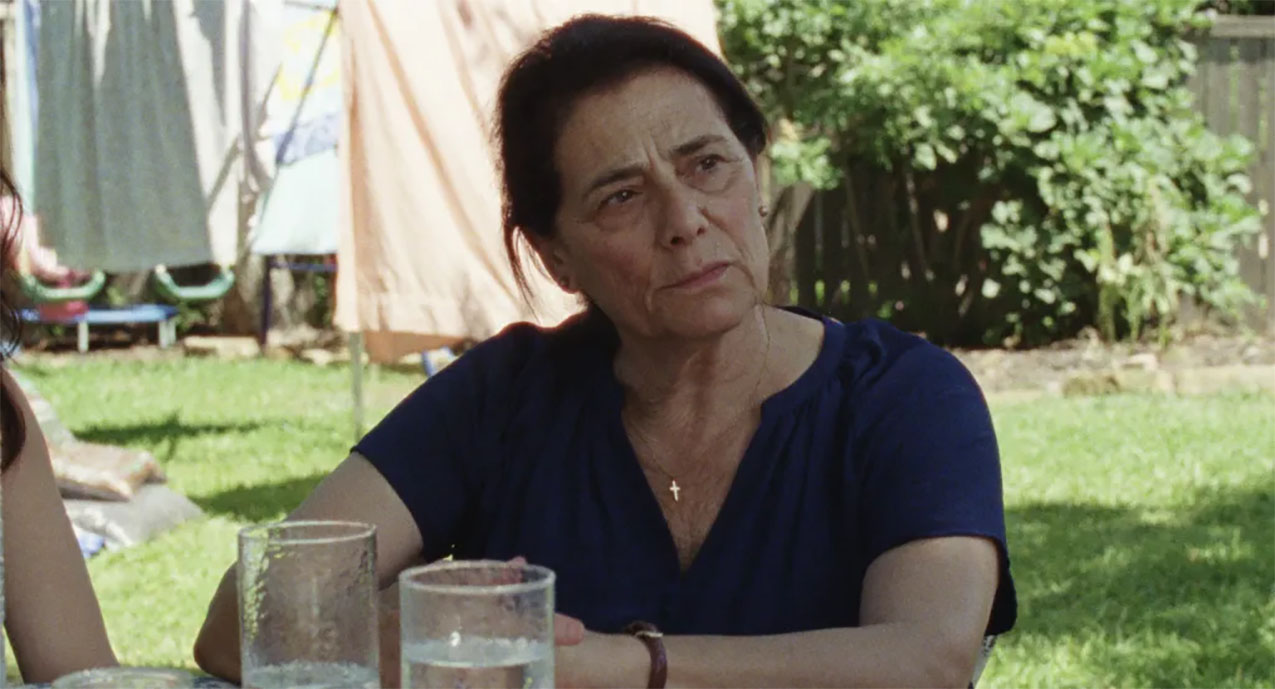
As the 2026 Toronto International Film Festival gets underway, one of the films worth keeping on the radar is Atonement, the feature directorial debut from Oscar-nominated filmmaker Reed Van Dyk.
Atonement Brings an Iraqi-Armenian Story to TIFF
Premiering in Cannes earlier this year in Directors’ Fortnight, the film arrives at TIFF as a Gala Presentation and its North American premiere.
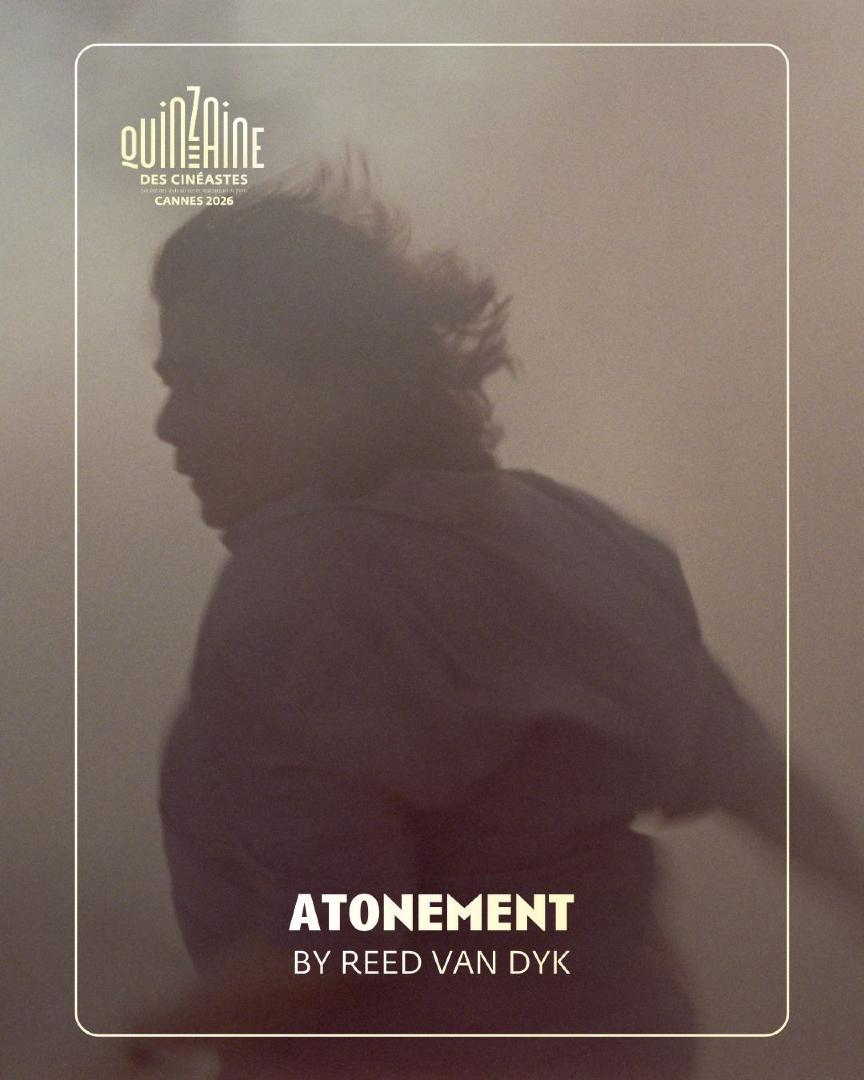
Based on journalist Dexter Filkins’ 2012 New Yorker article, Atonement takes audiences back to Baghdad in 2003, during the early days of the Iraq War. A U.S. Marine unit opens fire on what it believes to be hostile vehicles, only to discover that the victims are members of a civilian family.
At the heart of the story is Mariam Khachaturian, portrayed by Hiam Abbass, an Iraqi-Armenian woman whose family is devastated by the tragedy. Years later, Mariam has rebuilt her life in Glendale, California, where she lives with her daughter’s family. Meanwhile, the Marine responsible for the shooting, Lou D’Alessandro (Boyd Holbrook), remains haunted by what happened and seeks a way to confront the survivors.
That setup gives Atonement an intriguing perspective on the aftermath of war—not simply through the eyes of the soldier who pulled the trigger, but through the family left to live with the consequences.
Van Dyk, whose 2017 short DeKalb Elementary earned an Oscar nomination, approaches the material as a story about trauma, responsibility and the complicated possibility of forgiveness. TIFF describes the film as a story about the consequences of war long after the last shots have been fired.
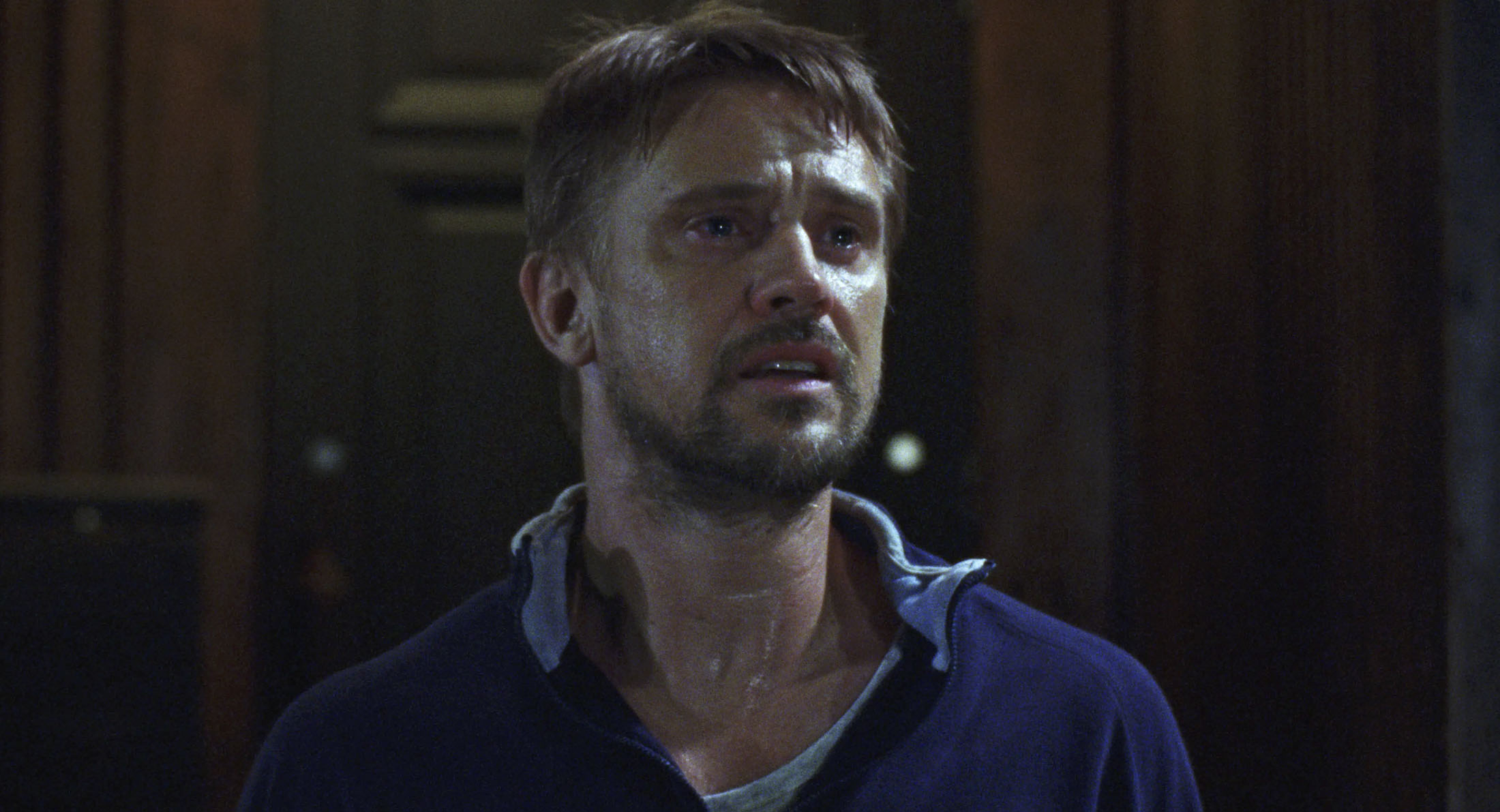
Boyd Holbrook Is Drawing Festival Attention
Although Brave New Hollywood has not yet seen Atonement, the film has already begun generating strong festival buzz following its Cannes premiere.
In particular, Boyd Holbrook’s performance as Lou D’Alessandro has attracted considerable attention from critics and festival audiences. Cannes coverage has singled out Holbrook alongside Abbass for bringing emotional weight to a story that deliberately avoids easy answers.
Holbrook’s character is not presented simply as a conventional war-movie protagonist. Haunted by what he did and struggling with guilt, trauma and the question of whether forgiveness is even possible, Lou becomes one half of a much more difficult conversation—one that also asks what the victims of war are owed by those who caused their suffering.
For Armenian audiences, Atonement carries another significant dimension. The Khachaturians are an Iraqi-Armenian family, making the film a rare Hollywood production to place an Armenian family directly within the dramatic center of the Iraq War experience. And the story’s connection to Glendale makes it particularly resonant for Southern California’s large Armenian community.
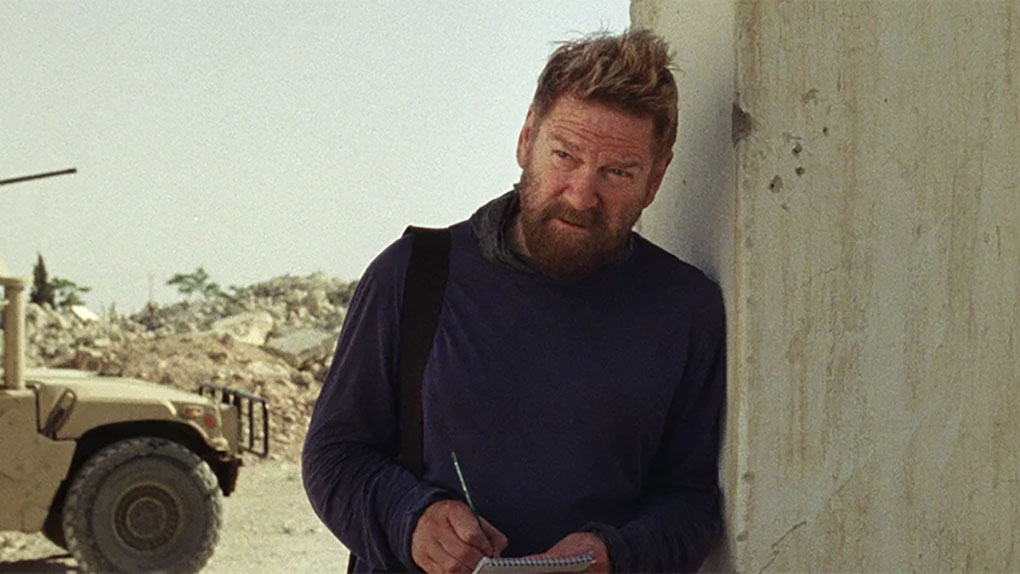
A Film to Keep on the TIFF Radar
Atonement is not an easy story, and perhaps that is precisely what makes it an interesting TIFF selection. Rather than treating war as something that ends when the shooting stops, Van Dyk appears interested in what happens afterward—when survivors and perpetrators must continue living with what cannot be undone.
For TIFF-goers looking beyond the biggest studio titles and star-driven premieres, Atonement may be worth adding to the festival watchlist, particularly for those interested in films exploring the human consequences of war, stories of the Middle Eastern diaspora, Armenian representation, and performances that are already generating festival conversation.
Atonement has its North American premiere Tuesday, September 15 at 5:30 p.m. at Roy Thomson Hall as part of TIFF’s Gala Presentations. Additional screenings are scheduled for September 16 at 9:20 p.m. at Scotiabank Theatre Cinema 13 and September 18 at 3:15 p.m. at Scotiabank Theatre Cinema 11.
With a Cannes premiere behind it, TIFF ahead, and a U.S. theatrical release scheduled for October 2 through Kino Lorber, Atonement is a film that looks poised to remain part of the festival conversation well beyond Toronto.