


Hollywood has never been short on celebrities with enormous platforms. What it has often lacked is celebrities willing to risk using them.
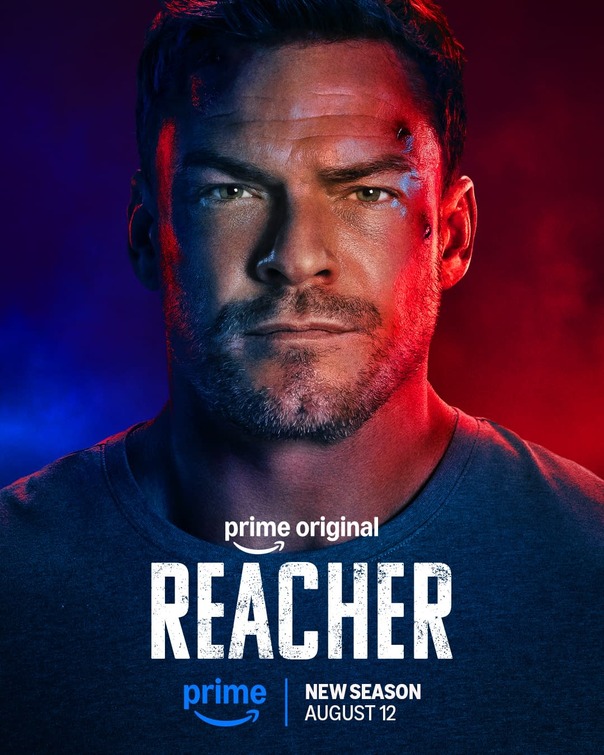
In an entertainment industry where carefully managed public relations strategies often overshadow genuine conviction, Reacher star Alan Ritchson has become something of an outlier. While many celebrities have perfected the art of saying just enough to satisfy everyone—and offend no one—Ritchson has repeatedly chosen a different path.
Whether discussing the need for greater transparency surrounding the Jeffrey Epstein investigation, recounting his own experiences with exploitation in the modeling industry, or expressing his opinions on today’s political climate, Ritchson has demonstrated something increasingly rare in modern Hollywood: a willingness to speak candidly.
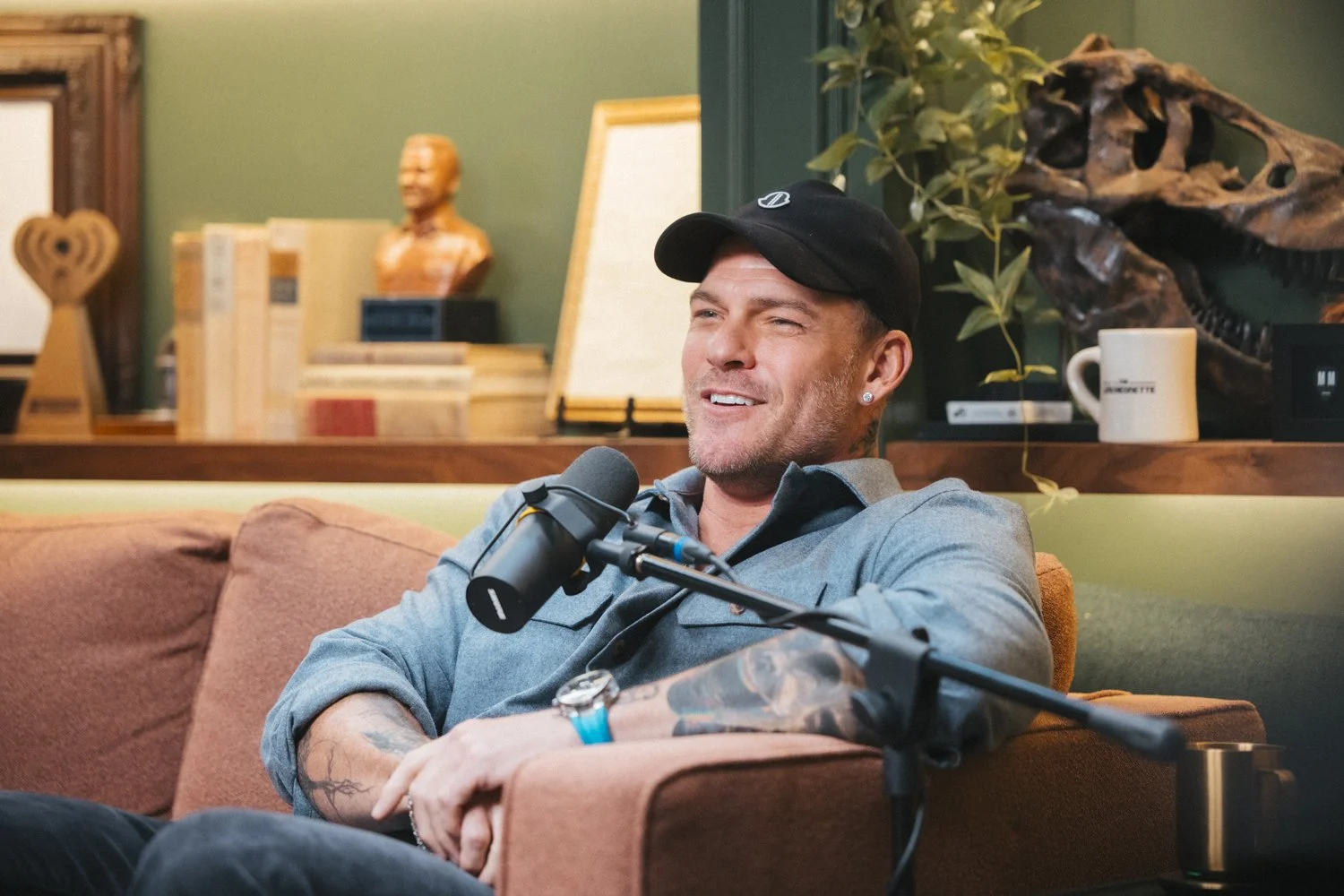
That willingness was once again on display during his recent appearance on Dax Shepard’s Armchair Expert podcast, where Ritchson reflected on his early years as an underwear model. He described an industry that, in his experience, often blurred ethical boundaries and exposed young models to predatory behavior. Speaking openly about being placed in uncomfortable situations, he recalled how inappropriate conduct was sometimes normalized and how vulnerable young people were expected to tolerate it in pursuit of career opportunities.
These weren’t stories told for shock value. They were personal experiences shared by someone who has lived through the darker side of an industry that too often preferred silence over accountability.
That distinction matters.
Why Alan Ritchson’s Honesty Matters
For years, Hollywood has championed conversations about accountability, inclusion, and protecting vulnerable people. Yet when those conversations become politically uncomfortable or threaten powerful interests, the volume often drops considerably.
Ritchson appears less interested in protecting his image than in expressing what he genuinely believes.
Whether readers agree with every political opinion he holds is ultimately beside the point. Healthy democracies—and healthy industries—benefit when people are willing to challenge powerful institutions, ask difficult questions, and share uncomfortable truths rooted in personal experience.
His calls for transparency regarding the Epstein investigation reflect a broader desire shared by many Americans across the political spectrum: that powerful individuals should be held accountable and that legitimate questions deserve answers. Allegations, of course, should never be confused with established facts, and everyone deserves due process. But demanding transparency is not the same thing as prejudging guilt.
Why So Many Celebrities Stay Silent
There are understandable reasons why many actors choose not to speak out.
1. Money and Career Protection
Hollywood is built on relationships.
Actors depend on studios, producers, agencies, advertisers, streaming platforms, and global audiences. A controversial opinion can jeopardize endorsement deals, future casting opportunities, or international box office potential.
For many, silence simply becomes the safest business decision.
2. Fear of Public Backlash
Today’s celebrities don’t risk criticism from only one political side.
Social media ensures that nearly every public statement is dissected, criticized, and amplified within minutes. Publicists often advise clients to avoid contentious topics altogether.
The result is an entertainment culture where authenticity sometimes gives way to carefully scripted neutrality.
3. Protecting the Brand
Modern celebrities are brands as much as performers.
Every interview, Instagram post, and public appearance contributes to a carefully managed image. Speaking openly about corruption, abuse, or institutional failures introduces unpredictability into a business built on predictability.
Unfortunately, audiences increasingly recognize that strategy.
Silence Can Also Have Consequences
No celebrity owes the public political commentary.
But there is a meaningful difference between valuing privacy and consistently avoiding important conversations where one’s voice could genuinely make a difference.
Celebrities possess platforms capable of reaching millions of people overnight. They can shine a light on survivors, encourage investigations, raise awareness, or simply begin conversations that otherwise might never happen.
Ironically, attempting to avoid controversy can create another problem entirely: appearing indifferent.
Today’s audiences increasingly value authenticity over perfection. They don’t necessarily expect agreement—they expect sincerity.
Recent examples illustrate that fans often notice when celebrities appear detached from broader cultural conversations. Earlier this year, Timothée Chalamet drew criticism after making dismissive comments about ballet, prompting many to argue that influential public figures should take greater care before minimizing an art form with deep cultural significance.
Similarly, actress Keira Knightley said she was largely unaware of the public backlash surrounding author J.K. Rowling. While that explanation may have been sincere, many fans and commentators found it difficult to believe that someone so immersed in the entertainment industry had been unaware of one of its most widely discussed controversies.
Fairly or unfairly, audiences today often interpret silence—or apparent disengagement—as indifference.
Courage Is Contagious
One of the encouraging aspects of Ritchson’s openness is that it may inspire others to speak.
Hollywood has repeatedly demonstrated that when one respected figure breaks the silence surrounding difficult subjects, others often follow.
The #MeToo movement itself illustrated this phenomenon. Individual stories gradually became collective testimony, exposing patterns that many insiders had long understood but few publicly acknowledged.
Ritchson’s reflections on the modeling industry continue that tradition of refusing to let uncomfortable realities remain hidden simply because discussing them is inconvenient.
Other Stars Who Have Used Their Platforms
Ritchson is hardly alone in speaking openly about difficult issues.
Mark Ruffalo has consistently advocated for environmental reform, government accountability, and corporate responsibility.
John Boyega became one of Hollywood’s strongest voices for racial justice following the murder of George Floyd, acknowledging that speaking out could affect his career.
Rose McGowan helped expose decades of abuse within Hollywood, becoming one of the earliest and most persistent voices calling for industry-wide accountability.
Javier Bardem has repeatedly spoken in support of Palestinian civilians and has advocated publicly for a ceasefire and humanitarian relief in Gaza, demonstrating a willingness to weigh in on one of the world’s most divisive geopolitical issues.
Each has faced criticism.
Each has also demonstrated that celebrity can be about more than promoting the next film.
Alan Ritchson Is Leading by Example
Whether discussing exploitation in the modeling industry, calling for greater transparency from powerful institutions, or simply refusing to keep difficult experiences to himself, Alan Ritchson reminds us that fame carries responsibilities as well as privileges.
His willingness to speak openly also arrives at an interesting point in his career. Already riding high from the success of Reacher, Ritchson continues expanding his film résumé with projects including War Machine—recently reviewed by Brave New Hollywood—and the highly anticipated Motor City.
Yet despite his growing profile, he has shown little interest in retreating into the carefully managed celebrity playbook that has become so common throughout Hollywood.
Some readers will agree with everything he says.
Others won’t.
That’s perfectly healthy.
What’s refreshing is that one of television’s biggest stars isn’t pretending the world outside the soundstage doesn’t exist.
Hollywood has never lacked influential people.
What it has often lacked is influential people willing to risk something.
At a time when polished public relations often replace genuine conviction, Alan Ritchson’s honesty stands out—not because everyone agrees with him, but because he’s willing to say what too many Hollywood stars won’t.