

A Standout Moment at BHFF 2026
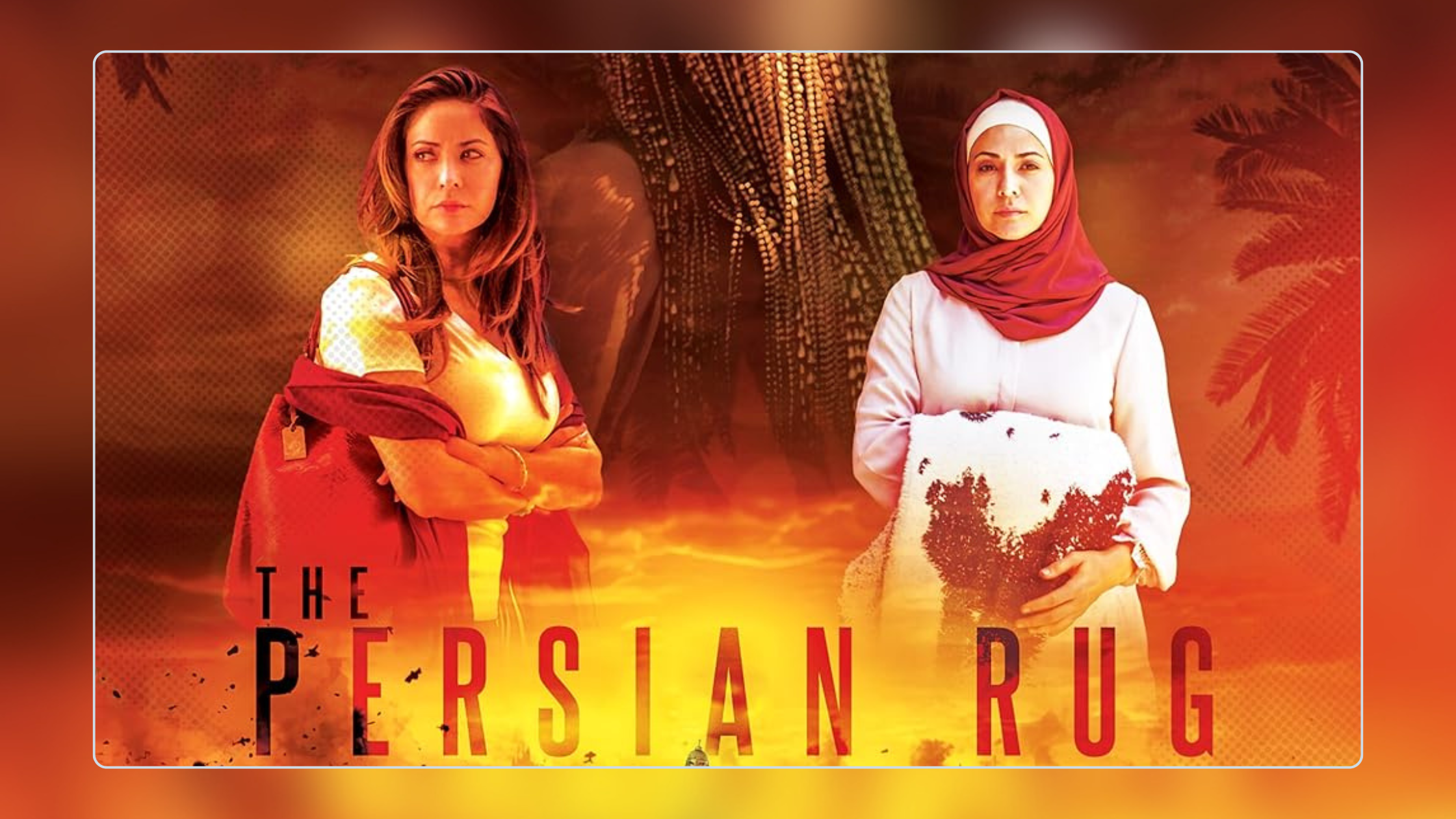
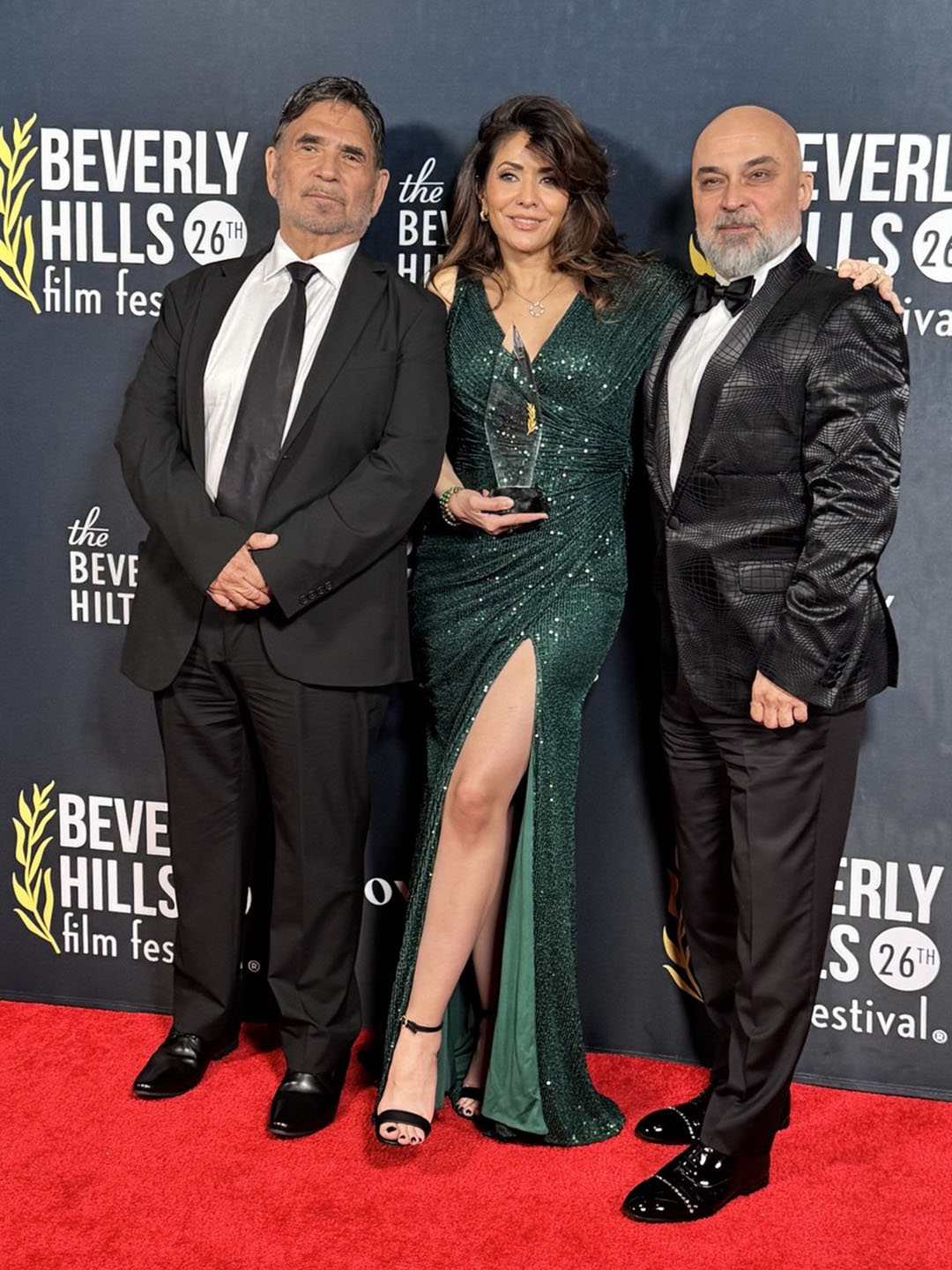
At this year’s Beverly Hills Film Festival 2026, The Persian Rug quietly emerged as one of the most compelling entries in the short film lineup—earning the Best Screenplay award while leaving a lasting impression for its layered storytelling and visual precision.
Directed by Gabriel Beristain and co-written with Kathleen McLaughlin and Victoria Foster, the film reflects an industry increasingly focused on authenticity, particularly when it comes to representation and voice. Rather than leaning into broad interpretations, The Persian Rug commits to specificity—casting Iranian and Middle Eastern actresses in roles that demand cultural and emotional truth. It’s a choice that elevates every frame.
Performance, Identity, and Dual Realities
At the center is Golsa, portrayed with nuance and control by Golsa Sarabi, a former Miss Iran turned aspiring actress navigating life in exile. As she prepares for a high-stakes audition, the film places her between multiple realities: her present life in the United States, echoes of her past shaped by personal and historical experiences, and the fictional character she must embody.
This layered structure allows the film to explore identity not as something fixed, but as something constantly negotiated. The line between performance and self begins to blur, particularly as Golsa confronts Zara—a ghostly reflection of who she once was. The device is handled with restraint, giving the narrative emotional weight rather than melodrama.
A Visual Language That Elevates the Story
Beristain’s background in cinematography is evident in every shot. The film’s photography is striking—rich in texture, carefully composed, and quietly expressive. Each frame mirrors Golsa’s internal fragmentation while maintaining a sense of visual elegance that underscores the film’s themes.
The supporting cast, including Sean Kanan and Shila Ommi, adds depth without distraction. There’s a clear intentionality in the casting—each performance contributes to a cohesive and believable world.
Authenticity and Women’s Voices in Focus
What ultimately distinguishes The Persian Rug is its alignment with broader shifts in Hollywood. The film doesn’t simply gesture toward women’s empowerment—it grounds it in lived experience. The emotional cost of transformation, the tension between cultural identity and professional ambition, and the weight of representation are all explored with care.
By centering Iranian and Middle Eastern women in both casting and narrative, the film avoids the pitfalls of misrepresentation that have long defined similar stories. Instead, it offers a perspective that feels both intimate and universal.
With its Best Screenplay win at BHFF 2026 and growing recognition across the festival circuit, The Persian Rug positions itself as more than a standout short—it signals a continued demand for storytelling that is both authentic and artistically ambitious.