


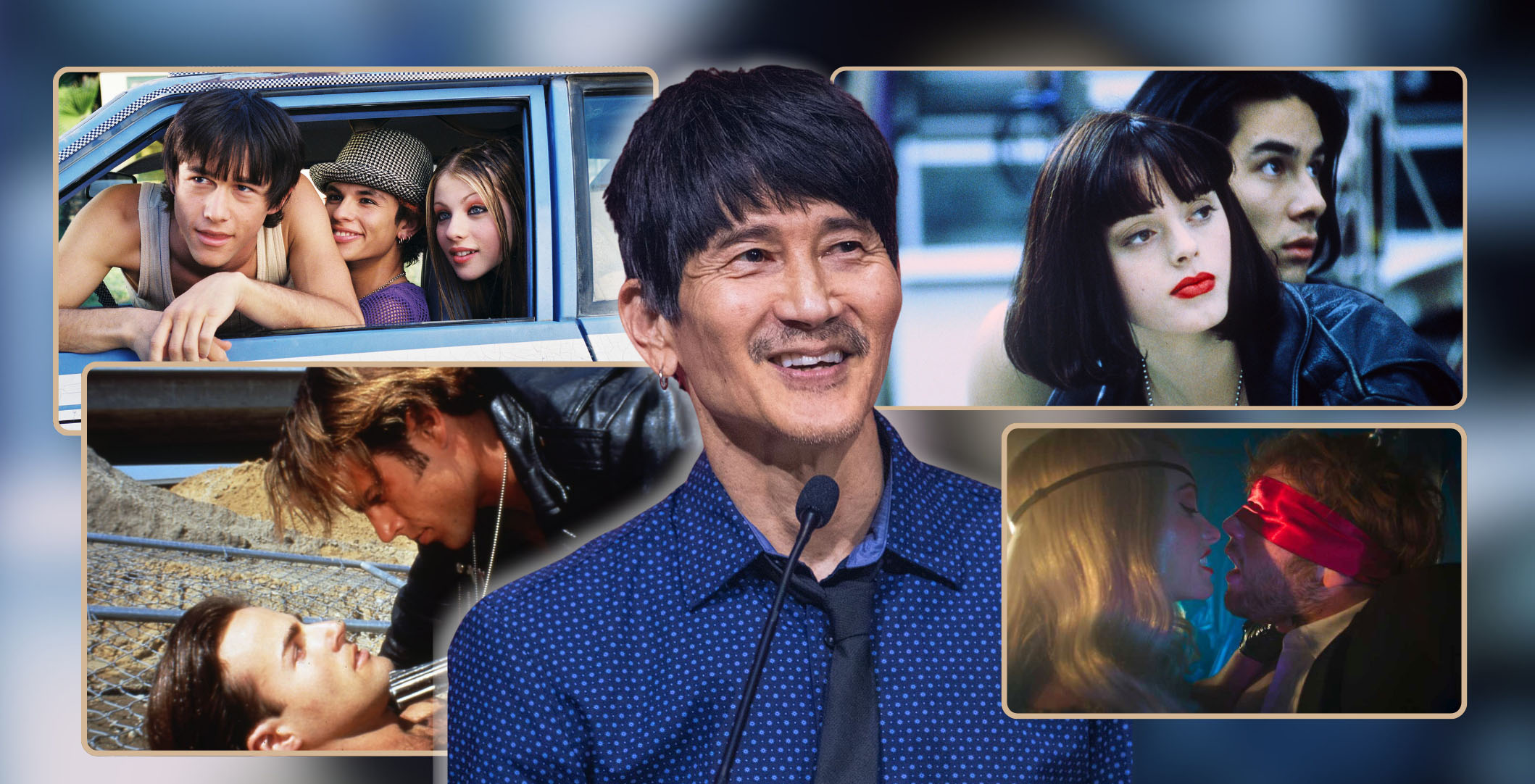
There are filmmakers whose work becomes fashionable again. Then there are filmmakers whose work simply waits for the culture to catch up.
Gregg Araki belongs firmly in the second category.
For more than three decades, Araki has stood at the very top tier of America’s New Queer Cinema — one of the movement’s defining pioneers and one of its most uncompromising voices. His films were punk, provocative, sexual, funny, angry, romantic, strange and deliberately rebellious. They refused to make queerness comfortable for a mainstream audience.
But Araki’s importance goes beyond simply making queer films. He made films in which queerness did not have to behave itself.
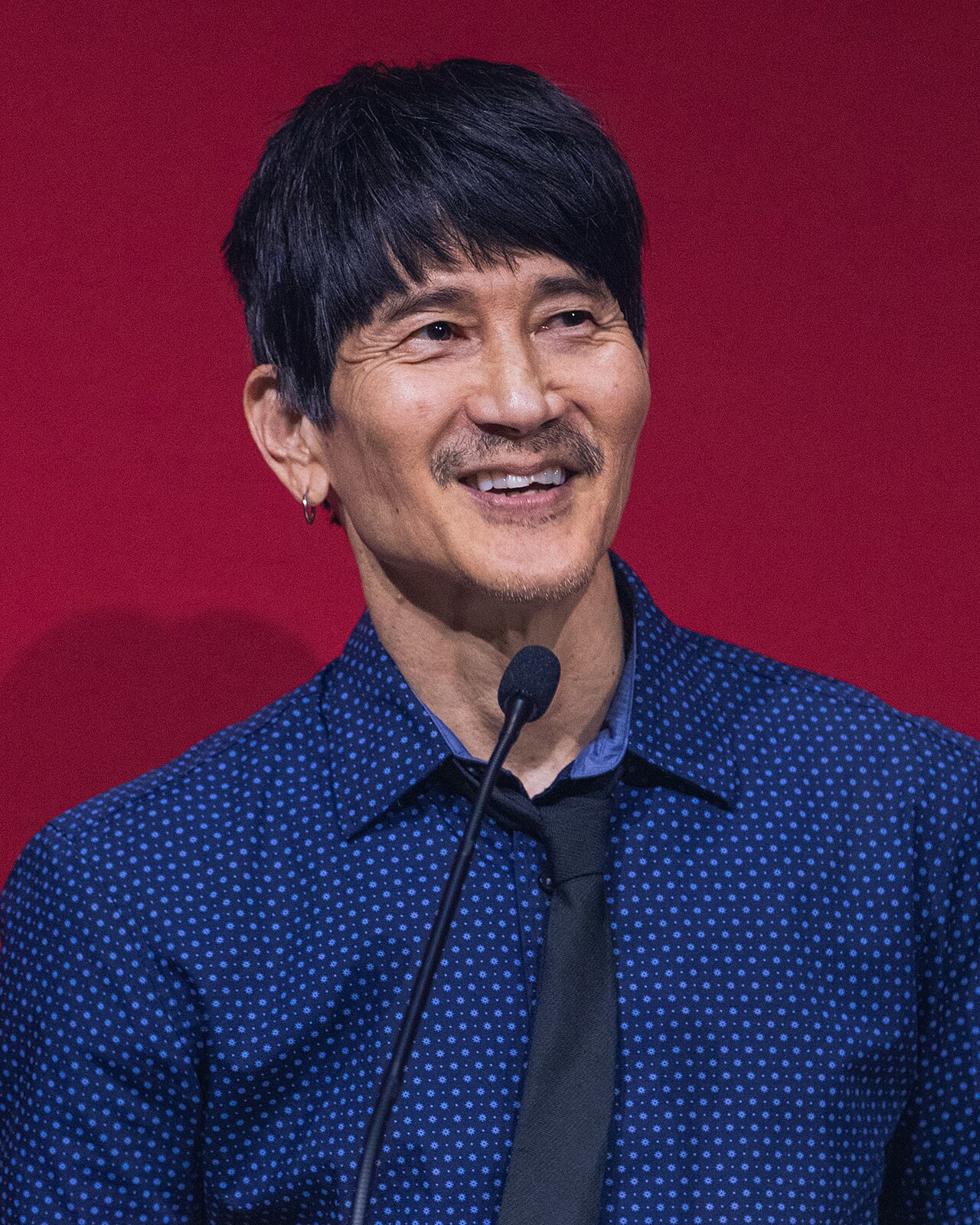
His characters could be horny, rebellious, selfish, vulnerable, funny, destructive, romantic, confused or completely lost. They did not have to become inspirational representatives of LGBTQ+ life. They were allowed to simply be people — complicated people living messy lives.
That freedom is a major reason his work continues to resonate with younger filmmakers and cinephiles today.
The Filmmaker Who Refused to Ask Permission
Araki emerged as a filmmaker during a period when openly queer American cinema was still largely operating outside the mainstream. New Queer Cinema was taking shape in the late 1980s and early 1990s, with independent filmmakers challenging traditional ideas about sexuality, identity, genre and representation. The BFI describes the movement as a powerful step forward for queer representation, with films that were as varied and irrepressible as queer life itself.
Araki quickly became one of its most distinctive voices.
His breakthrough, The Living End (1992), arrived in the midst of the AIDS crisis and placed two HIV-positive gay men at the center of a furious, erotic and often darkly funny road movie. The film captured anger and alienation without reducing its characters to their diagnosis. Araki himself has acknowledged that the anger behind The Living End was deeply connected to the dominant culture’s invisibility of gay people and its devastating failure to respond to AIDS.
But Araki wasn’t interested in making respectable films about respectable queer people.
He was interested in making his movies.
And he often had very little money with which to do it.
Totally F**ed Up* (1993), the first film of what became his Teen Apocalypse Trilogy, was shot on 16mm for approximately $25,000, with a tiny crew and a sporadic four-to-six-month shooting schedule.
That DIY history matters, especially for aspiring filmmakers.
Araki wasn’t waiting for Hollywood to decide that queer stories were commercially viable. He wasn’t waiting for the culture to become more accepting. He wasn’t waiting for somebody to hand him a large budget.
The Teen Apocalypse Trilogy: Beautiful, Messy and Unapologetic
Totally Fed Up*, The Doom Generation (1995) and Nowhere (1997) became known as Araki’s Teen Apocalypse Trilogy, although the idea of a trilogy developed organically after Totally Fed Up*. Together, the films established one of the most distinctive cinematic voices of 1990s independent film.
These are films about young people who seem alienated from almost everything around them. But Araki transformed that alienation into an aesthetic universe of saturated colors, punk energy, alternative music, heightened sexuality, surreal encounters, deadpan humor and sudden emotional violence.
The films could be outrageous almost to the point of absurdity.
But underneath the outrageousness was intimacy.
That is one of the reasons Araki’s work has survived its era so well.
You may not recognize yourself in the world of The Doom Generation or Nowhere. You may never have lived through the particular sexual, social or emotional apocalypse his characters inhabit.
But you recognize loneliness.
You recognize desire.
You recognize friendship, rejection, lust, heartbreak and the need to find someone who understands you.
The worlds are heightened. The emotions aren’t.
Araki’s aesthetic is unmistakable: punk and pop culture collide with melodrama, horror, science fiction and teen movies. His soundtracks are as important to the atmosphere as his saturated images, while his characters move through Los Angeles as though they are simultaneously living in the real world and some fever dream just beneath it.
The Criterion Collection aptly describes the trilogy as a collision of punk scuzz, Godardian cool, raw sincerity, sexual fluidity, Gen X disillusionment and hallucinatory surrealism.
Yet the films never feel like exercises in style alone.
The chaos has a pulse.
Queerness Without Permission
There is an important difference between representation and liberation.
Representation asks who gets to appear on screen.
Araki asked what those people were allowed to do once they got there.
His films expanded the possibilities of queer characters. They didn’t need to be sanitized, inspirational or tragic. They could be sexually liberated. They could make terrible decisions. They could be funny. They could be irresponsible. They could fall in love. They could want things. They could simply exist without explaining or apologizing for themselves.
That may sound less revolutionary now than it did in the 1990s.
It wasn’t.
At a time when queer coming-of-age stories were rarely given this kind of freedom, Araki brought sexual fluidity, desire, alienation and youthful rebellion into films that were not interested in asking mainstream audiences for approval.
And perhaps this is why younger audiences continue to discover him.
The strange thing about Araki’s movies is that their surfaces can feel unmistakably 1990s while their emotional core feels remarkably current.
The technology changes.
The slang changes.
The cultural references change.
The desire to belong does not.
From Cult Filmmaker to American Cinema Canon
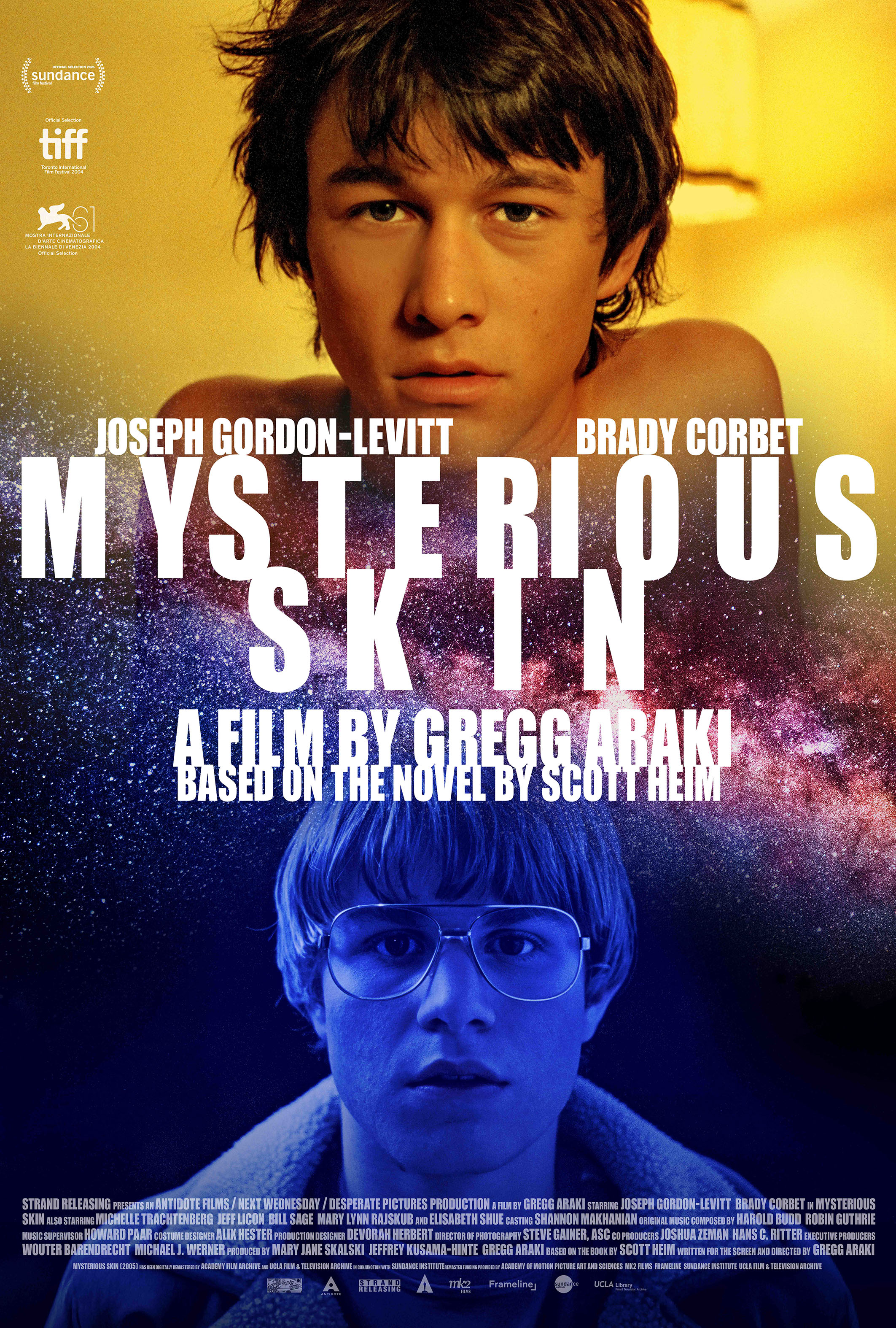
Araki’s career eventually moved beyond the raw punk energy of his early films. Mysterious Skin (2004) revealed a filmmaker capable of extraordinary emotional restraint and devastating intimacy, while later work continued to explore sexuality, youth, identity and the strange spaces between comedy and darkness.
It is significant, then, that Mysterious Skin has recently received a major 4K restoration from the Academy Film Archive and UCLA Film & Television Archive in conjunction with Sundance Institute, with Araki supervising the restoration. The project was funded by the Academy of Motion Picture Arts and Sciences, mk2, Frameline, Sundance Institute and UCLA, with additional support from Antidote Films and Strand Releasing.
I recently examined that restoration in greater depth here at Brave New Hollywood. But its importance belongs in the larger story of Araki.
Because preservation is also recognition.
When institutions devoted to preserving American cinema invest their resources in a film made by a filmmaker who spent much of his career operating outside the mainstream, they are acknowledging that this work belongs to the cultural record.
The same is true of the continued restoration and exhibition of the Teen Apocalypse Trilogy. These films are no longer simply artifacts of 1990s underground cinema. They are being presented to new audiences as works that helped define a movement and expanded what independent American film could look like.
That doesn’t mean Araki has suddenly become “respectable.”
It means the definition of American cinema has become large enough to include him without qualification.
Araki Never Really Went Away
The temptation is to describe this moment as a Gregg Araki comeback. But that isn’t quite right.
Araki continued directing, writing and experimenting. His work simply remained outside the center of Hollywood’s attention. Now the attention has returned.
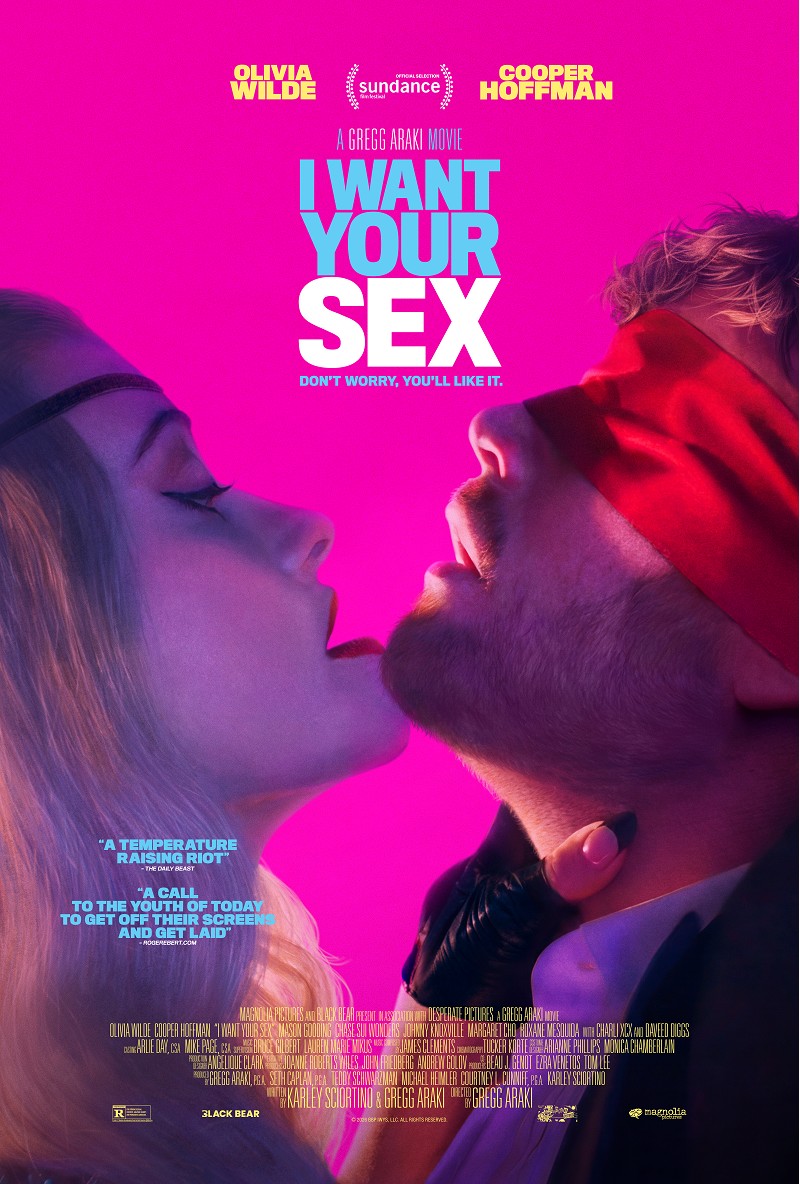
His new film, I Want Your Sex, starring Olivia Wilde and Cooper Hoffman, premiered at the 2026 Sundance Film Festival and opened theatrically in the United States on July 31. The film returns to many of Araki’s familiar territories — sex, power, desire, obsession, identity and the discomfort produced when people refuse to follow society’s expected rules.
And that is perhaps the most interesting thing about Araki’s career.
He isn’t trying to recreate the 1990s. He is still trying to provoke.
Why Gregg Araki Still Matters
Perhaps the greatest compliment we can give Gregg Araki is that younger audiences don’t necessarily experience his films as historical artifacts.
They experience them as discoveries.
A young filmmaker watching The Living End, Totally F**ed Up*, The Doom Generation, Nowhere or Mysterious Skin today can still recognize the essential creative lesson: You do not have to wait for permission to make something personal, provocative or different.
Araki’s films remind us that independent cinema does not have to imitate Hollywood on a smaller budget. It can reject Hollywood’s rules altogether.
And his importance extends beyond queer cinema. He represents something fundamental about independent filmmaking itself: the courage to make the film that seems impossible to sell, the willingness to embrace your own peculiar voice, and the belief that an audience may eventually find you.
Gregg Araki never really went away.
Maybe what has changed is that more people are finally ready to understand what he was doing.
At the very top of America’s New Queer Cinema, Araki helped create a cinematic language in which queer characters could be messy, sexual, rebellious, funny, frightened, romantic and unapologetically alive.
He didn’t ask queer cinema to behave. He showed us what could happen when it refused.