


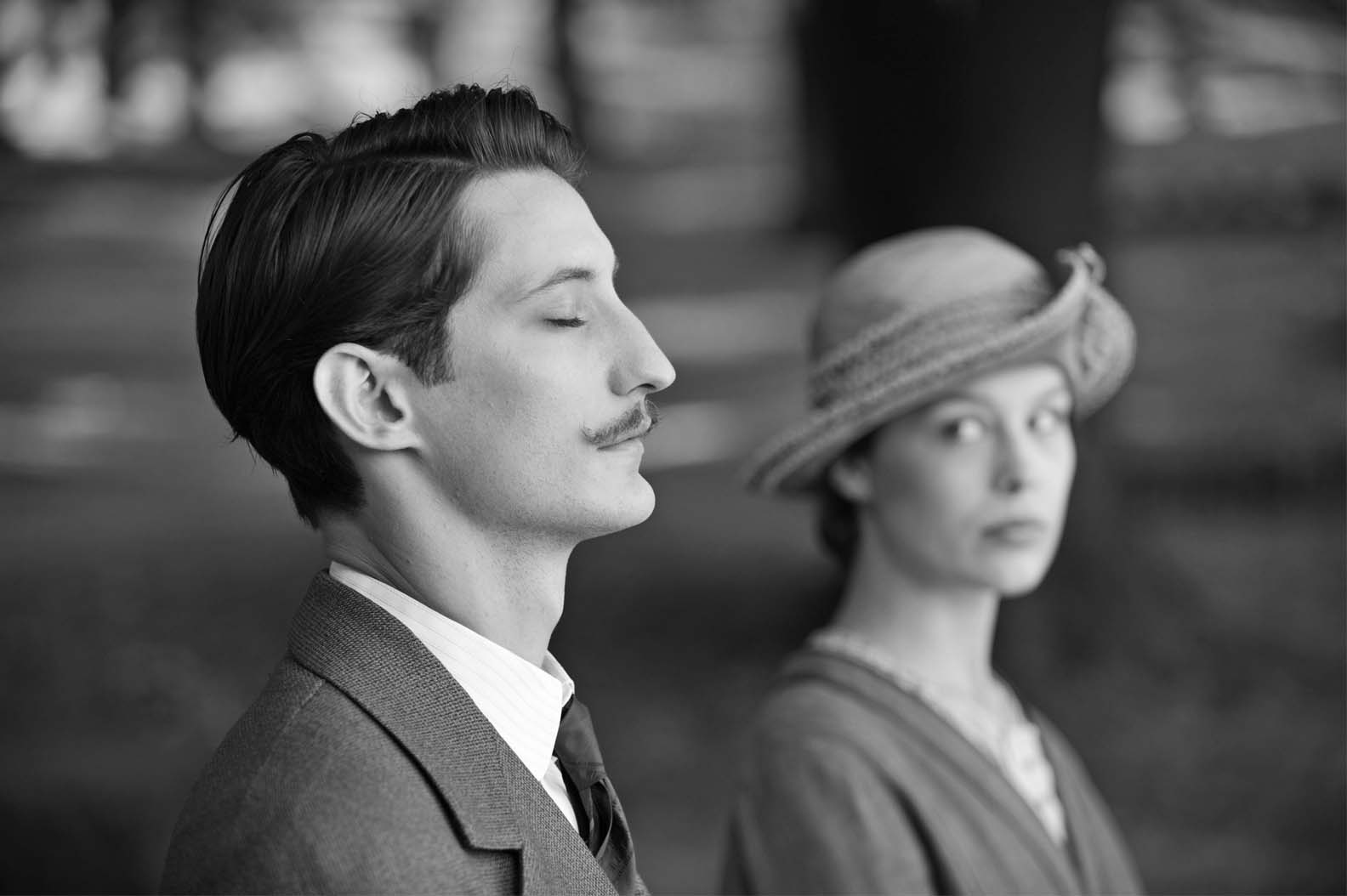
In Frantz, director François Ozon delivers a quietly devastating meditation on love, loss, and the emotional wreckage left in the aftermath of World War I.
Set in 1919 Germany, the story follows Anna (Paula Beer), a young woman mourning her fiancé, Frantz, who was killed in the war. Her daily visits to his grave are interrupted by the mysterious presence of Adrien (Pierre Niney), a Frenchman who claims to have been Frantz’s close friend.
As their relationship develops, Adrien’s stories bring comfort to Anna and her grieving would-be in-laws. But beneath his gentle demeanor lies a truth that threatens to unravel everything.
A Story Rooted in Grief and Moral Ambiguity
Ozon crafts a restrained yet emotionally resonant narrative that examines the burden of guilt and the moral complexity of truth. The film asks a powerful question: Is it always better to tell the truth, or can lies sometimes serve as a form of compassion?
This tension sits at the heart of the story, as Adrien struggles with a secret that carries devastating consequences.
The film’s post-war setting—where resentment between Germans and French citizens still simmers—adds another layer of emotional and political complexity. The wounds of the war are still fresh, shaping every interaction and amplifying every silence.
Visual Elegance and Emotional Restraint
Shot primarily in black and white, Frantz uses occasional bursts of color to evoke memory, hope, and fleeting happiness. This stylistic choice reinforces the film’s central themes of longing and loss, contrasting past joy with present sorrow.
Ozon’s direction is subtle and controlled, allowing the performances—particularly that of Paula Beer—to carry the emotional weight. Beer’s portrayal of Anna is both fragile and deeply affecting, anchoring the film with quiet intensity.
Performances That Linger

Paula Beer delivers a breakout performance that captures Anna’s inner turmoil with remarkable nuance. Her grief feels lived-in, her hope tentative, and her resilience deeply human.
Pierre Niney, as Adrien, embodies a man torn apart by guilt and memory. His performance is layered with restraint, making his internal struggle all the more compelling.
Together, they create a dynamic that is both tender and uneasy—mirroring the film’s central conflict between truth and illusion.
Frantz is not a loud film, but it is a deeply affecting one. It lingers in the quiet spaces—between words, between truths, and between people trying to heal from unimaginable loss.
François Ozon’s film ultimately suggests that truth is not always liberating—and that sometimes, the stories we tell ourselves are the only way forward.
Where to Watch FRANTZ (2016 film)
On YouTube – free with ads
On Prime – Subscription required